
Quick Answers





Why is fat added to mineral oil in the machining process?
- June 19, 2025
- Jason Chang
- 9:29 am
Several factors must be considered in the machining process to ensure optimal performance and efficiency. One of these factors is the addition of fat to mineral oil, a practice commonly employed in machining operations.
Role of Mineral Oil in Machining
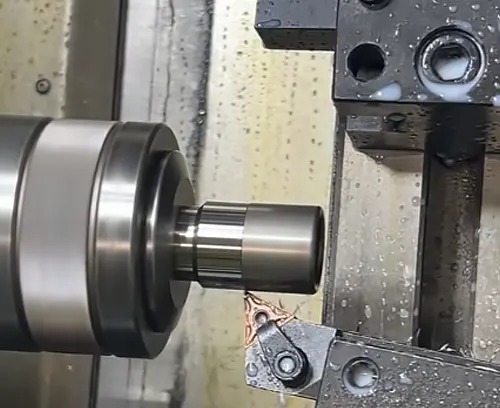
Mineral oil is a commonly used lubricant in machining operations, where it serves as a coolant and lubricant to reduce friction and heat generation during the cutting process.
By providing a layer of protection between the cutting tool and the workpiece, mineral oil helps to minimize wear and extend the tool’s lifespan.
Additionally, mineral oil helps to flush away chips and debris from the cutting area, ensuring a clean and efficient machining process.
The Importance of Adding Fat to Mineral Oil
While mineral oil is an effective lubricant on its own, adding fat to it can significantly enhance its performance in the machining process.
Fat, also known as a fatty acid or fatty ester, is a substance derived from animal or vegetable sources.
When added to mineral oil, fat acts as a lubricity enhancer, improving the oil’s lubricating properties and reducing friction between the cutting tool and the workpiece.
Benefits of Adding Fat to Mineral Oil
There are several key benefits to adding fat to mineral oil in the machining process. One of the primary benefits is improved lubrication, which helps to reduce tool wear and extend tool life.
Fat-enhanced mineral oil can also improve cutting performance and accuracy by reducing friction and heat generation, resulting in better surface finish and dimensional accuracy of the machined components.
Another benefit of adding fat to mineral oil is its ability to act as a corrosion inhibitor. Fat forms a protective barrier on the surface of the workpiece, preventing rust and corrosion from forming during the machining process.
This helps to prolong the lifespan of both the tool and the workpiece, leading to cost savings and improved overall efficiency in the machining operation.
Types of Fat Used in Machining
There are several types of fats that are commonly used in machining operations, each with its own unique properties and advantages. Some of the most commonly used fats in machining include animal fats, vegetable oils, and synthetic esters.
Animal fats, such as tallow and lard, are known for their excellent lubricating properties and high resistance to extreme pressure conditions.
Vegetable oils like rapeseed and soybean oil are biodegradable and environmentally friendly alternatives to traditional mineral oil lubricants.
Considerations for Using Fat-Enhanced Mineral Oil
When using fat-enhanced mineral oil in the machining process, several key considerations must be taken into account to ensure optimal performance and efficiency.
It is essential to select the appropriate type of fat based on the specific machining application, taking into account factors such as cutting speed, feed rate, and material type.
In addition, the concentration of fat in the mineral oil should be carefully controlled to avoid over-lubrication or under-lubrication of the cutting tool.
Too much fat can lead to poor chip evacuation and reduced cutting performance, while too little fat may result in increased friction and heat generation.
It is recommended to consult with a lubricant specialist or machining expert to determine the appropriate fat concentration for your specific machining application.
Conclusion
In conclusion, the addition of fat to mineral oil plays a crucial role in enhancing the lubrication and performance of the machining process.
By improving lubricity, reducing friction, and acting as a corrosion inhibitor, fat-enhanced mineral oil helps to prolong tool life, improve cutting performance, and ensure high-quality machined components.
Fat-enhanced mineral oil can be a valuable asset in any machining operation when used properly and in the right concentration.